The Beginner's Fishing Rod Buying Guide — What to Know Before You Buy
Introduction
Buying your first fishing rod shouldn't feel like passing a technical exam. But walk into any tackle shop — or open any product page — and you're immediately hit with specs: fast action, medium-heavy power, 30T carbon fiber, two-piece, spinning, baitcasting. What does any of it actually mean?
This guide cuts through the noise. By the end, you'll know exactly what to look for in a beginner rod, which specs matter (and which ones don't yet), and how to match your rod to the type of fishing you want to do.
Step 1: Spinning or Baitcasting? Start Here.
The single most important decision for a beginner is rod type. Get this right and everything else falls into place.
Spinning Rods

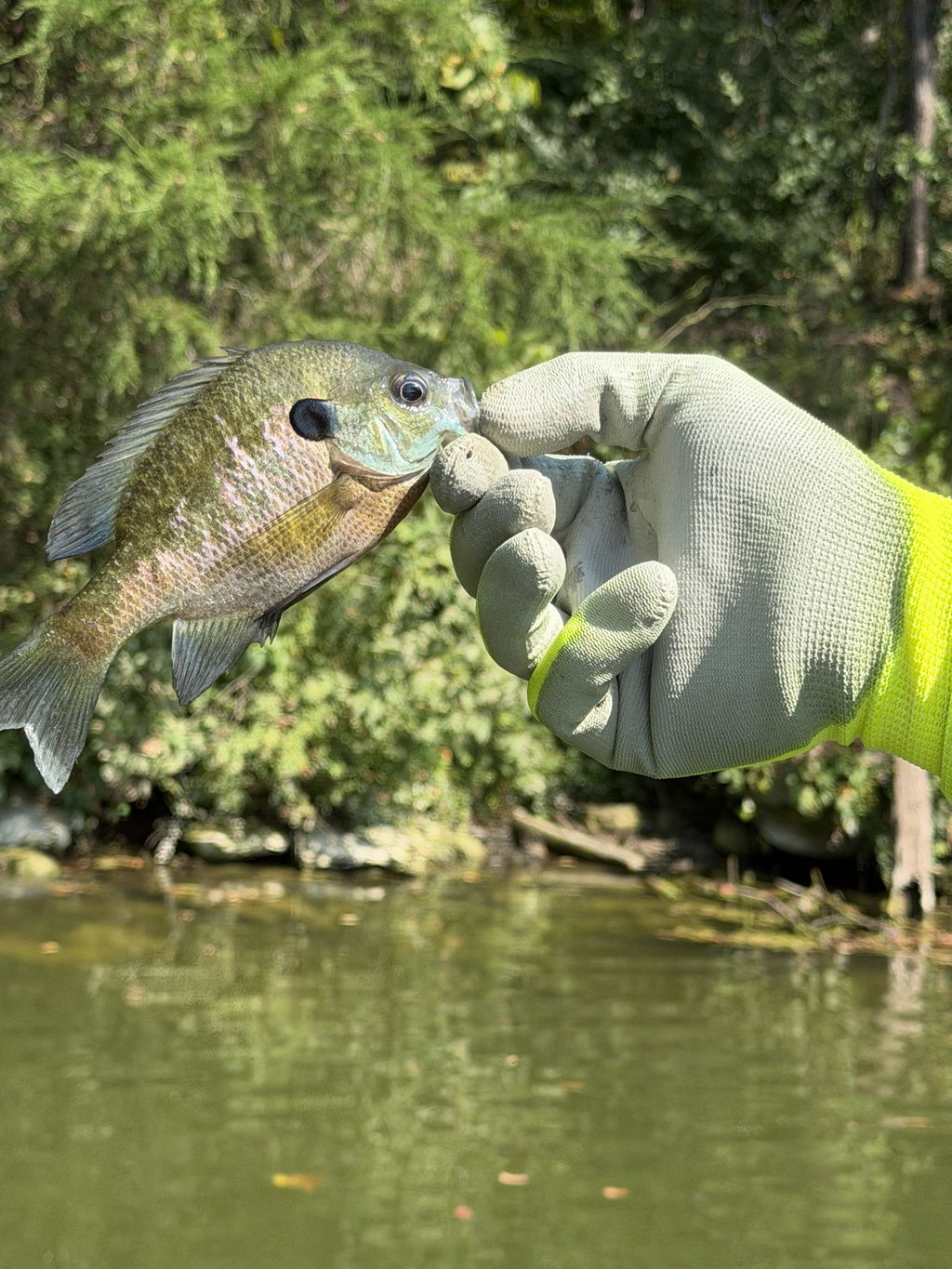
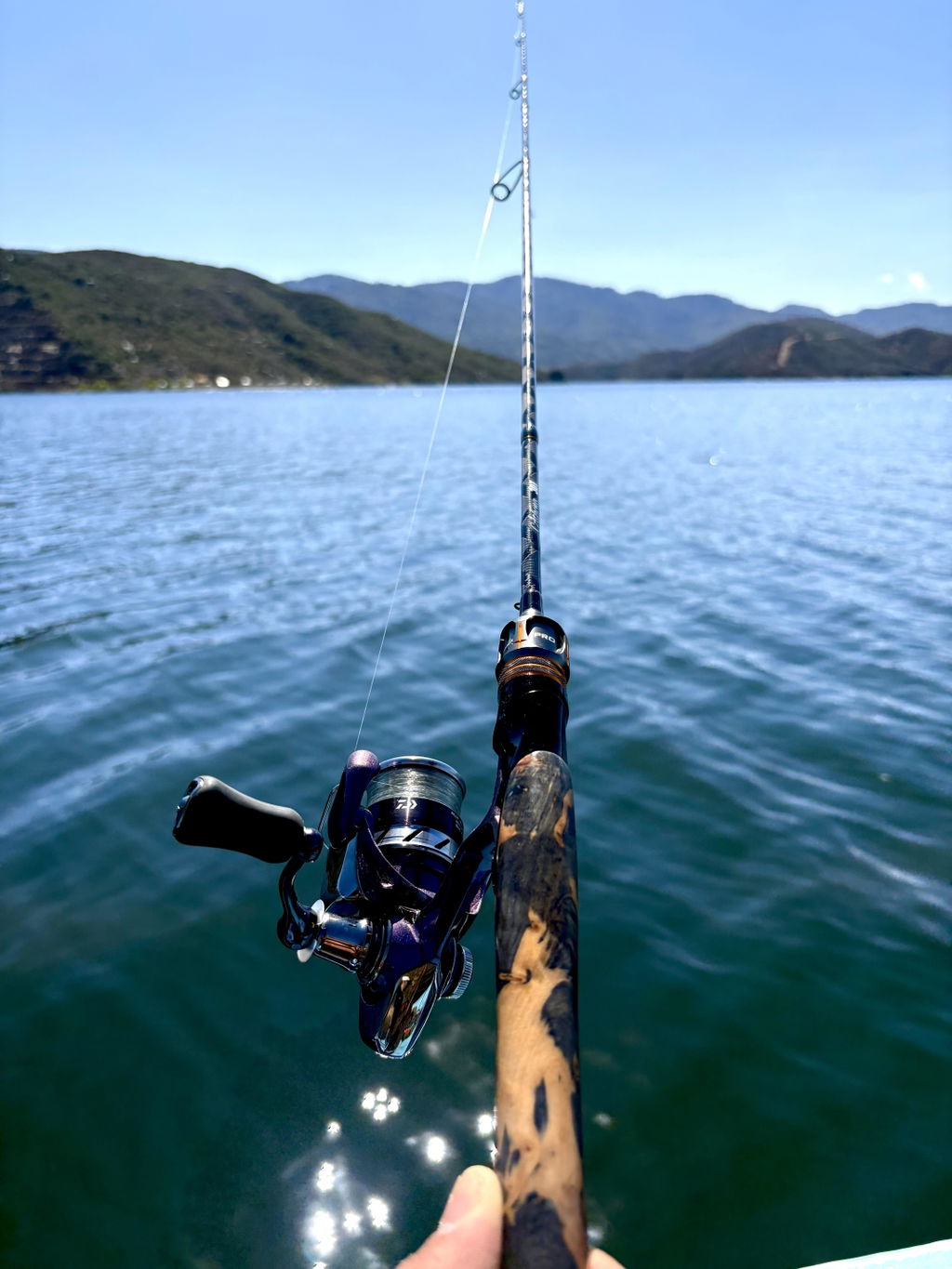
Spinning rods are the standard starting point for most anglers. The reel hangs below the rod, and the line flows off an open-face spool — which makes casting forgiving and easy to learn. They handle lighter lures and lines well, and they work for everything from bass to trout to panfish.
Best for: Beginners, lighter lures, finesse presentations, freshwater fishing.
→ ZEUS 2-Piece Spinning Rod — Our most popular entry-level spinning rod, built with 30T carbon fiber and engineered for sensitivity without the price tag of a pro-grade stick. Two tips included so you can dial in flex to your style.
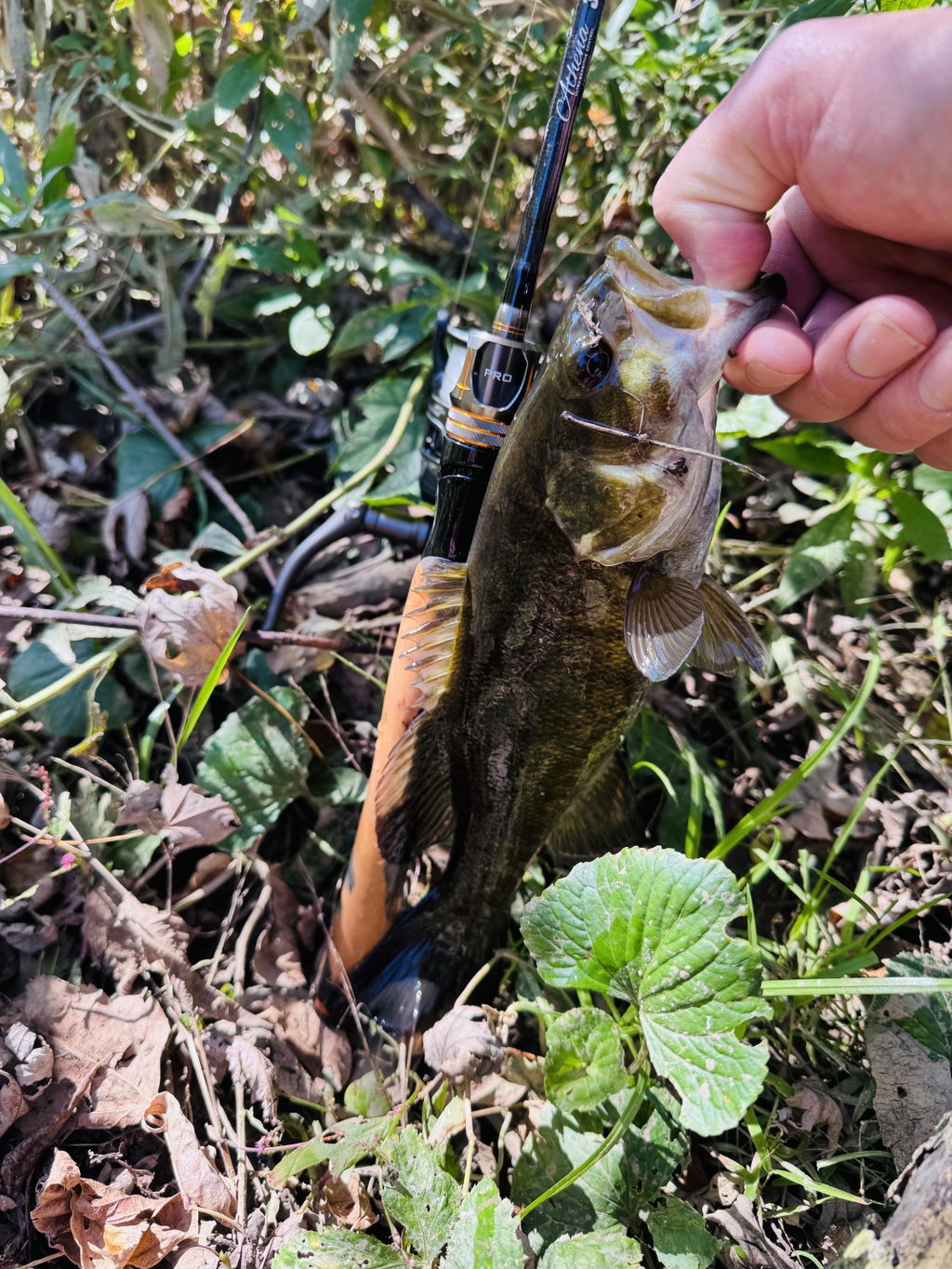
→ ATHENA 2-Piece Finesse Spinning Rod — For anglers who want to step up to finesse techniques. Lighter, more responsive, and built for situations where subtle presentation wins.
Baitcasting Rods

Baitcasting setups offer more precision and power but have a steeper learning curve — the reel sits on top of the rod and requires thumb control to avoid backlash. Most beginners are better served starting on spinning gear and graduating to baitcasting once they've built casting muscle memory.
Best for: Experienced beginners, heavier lures, flipping and pitching, targeting larger fish.
→ ATHENA 2-Piece Finesse Baitcasting Rod — A high-sensitivity baitcasting option for when you're ready to make the jump.
Step 2: Understand Rod Length
Rod length affects casting distance, accuracy, and leverage when fighting fish.
- 6'0"–6'6": Best for tight spaces, accuracy casting, and beginners. Easier to control.
- 6'6"–7'0": The sweet spot for most freshwater fishing. Versatile for a wide range of techniques.
- 7'0"+: Better casting distance and leverage for larger fish, but harder to handle in brushy areas.
Beginner recommendation: Start in the 6'6"–7'0" range. You'll have enough reach to cast effectively without fighting the rod.
Step 3: Rod Power — Match It to Your Target Fish
Power describes how much force it takes to bend the rod. Think of it as the rod's "weight class."
| Power | Best For |
|---|---|
| Ultra-Light / Light | Trout, panfish, small bass |
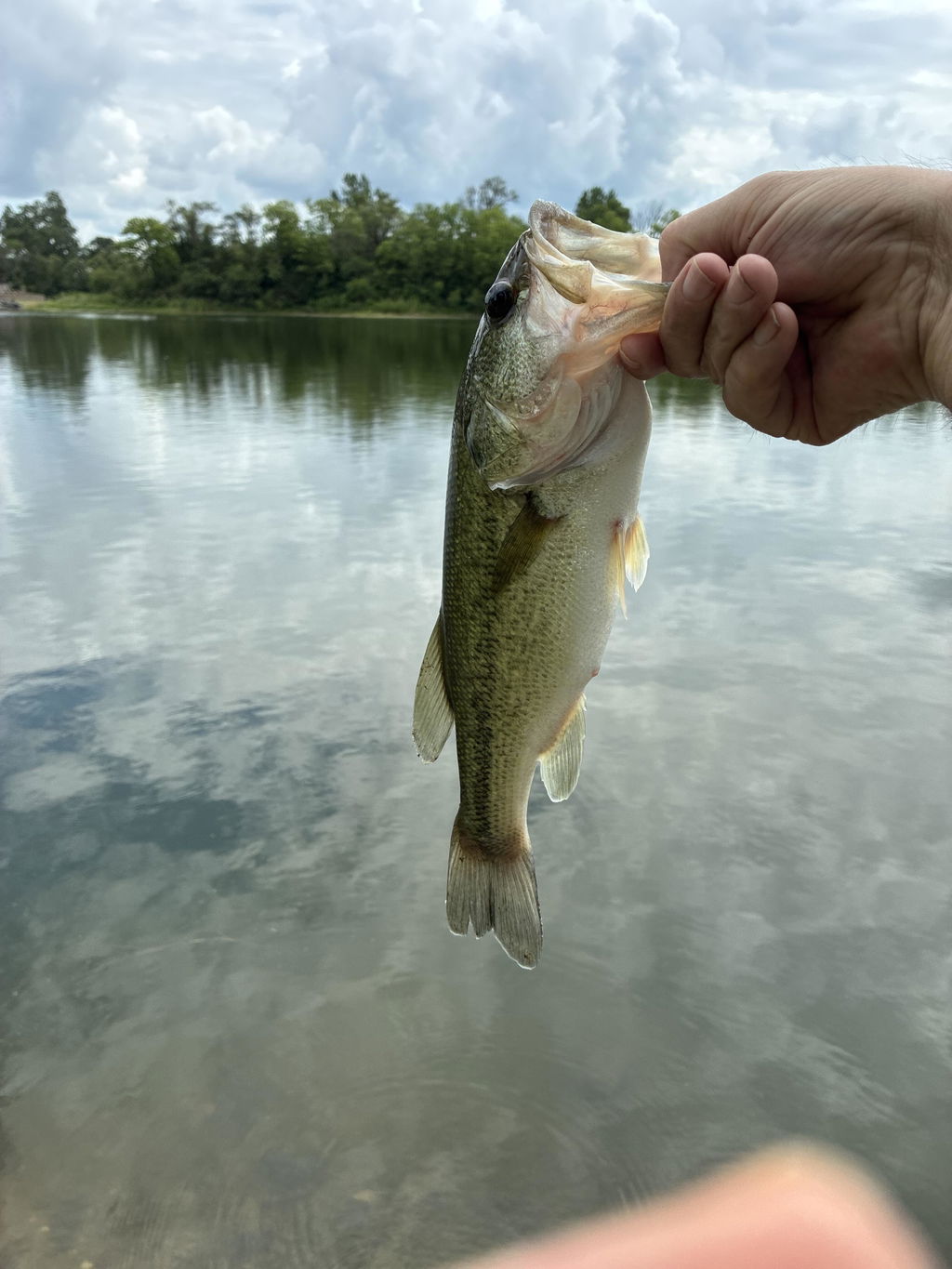
| Medium-Light / Medium | Bass, walleye, general freshwater |
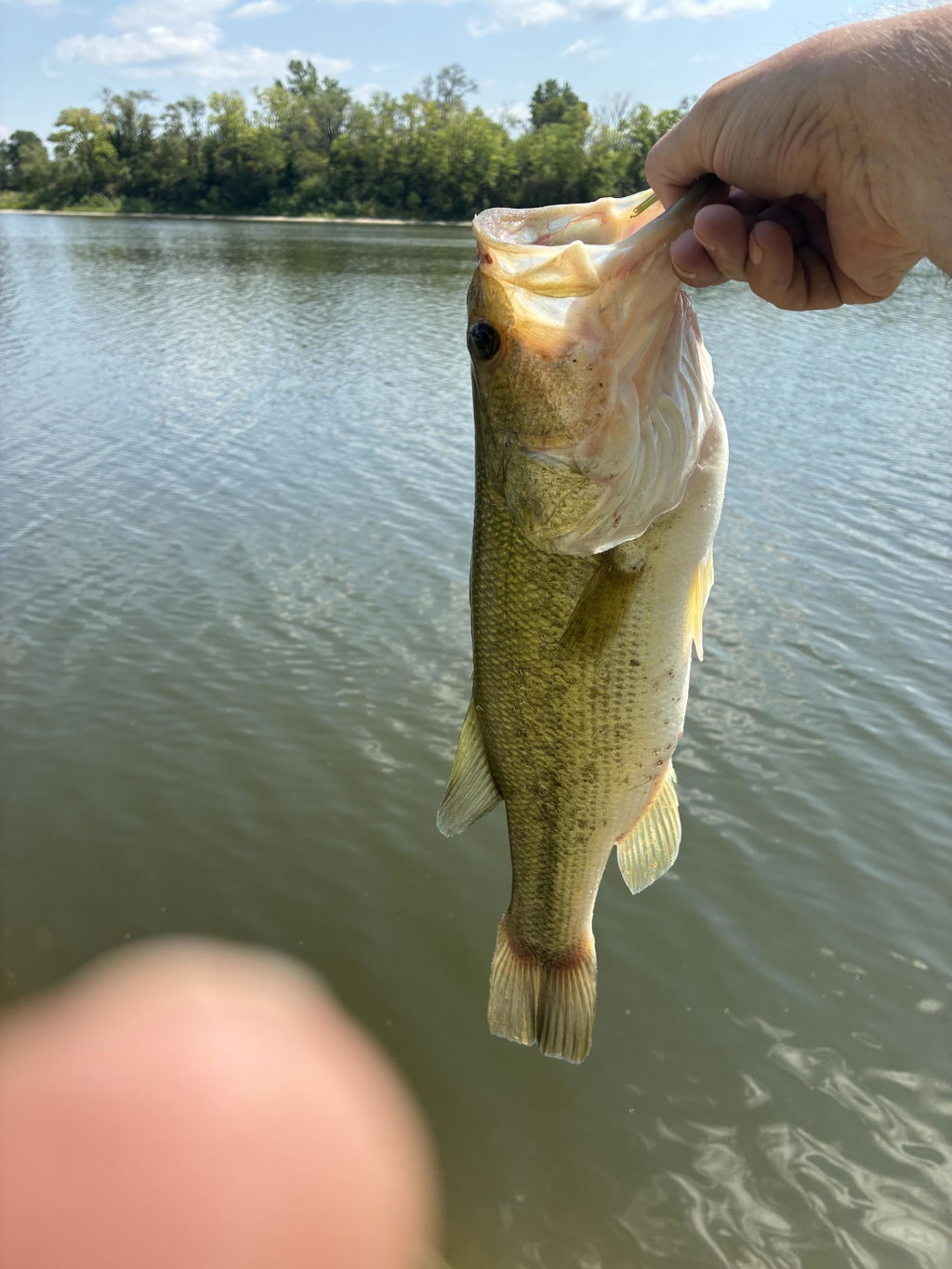
| Medium-Heavy / Heavy | Large bass, pike, saltwater species |
For most beginners targeting bass or general freshwater species, Medium or Medium-Heavy is the safe starting point.
Step 4: Rod Action — Feel and Sensitivity
Action describes where the rod bends when pressure is applied.
- Fast action: Bends near the tip. More sensitive, better hooksets, great for single-hook presentations.
- Moderate action: Bends through the middle of the blank. More forgiving on the cast and better for treble-hook lures.
- Slow action: Bends down toward the handle. Rarely used in modern fishing — mostly limited to ultra-light applications.
Beginner recommendation: A fast or moderate-fast action rod works for most techniques and gives you good sensitivity without being unforgiving.
Step 5: Rod Material — Why Carbon Fiber Matters
Rod blanks are made from fiberglass, graphite (carbon fiber), or a composite of both.
- Fiberglass: Durable and forgiving, but heavier and less sensitive. Common in cheap starter rods.
- Graphite/Carbon Fiber: Lighter, stiffer, and far more sensitive. Premium rods use high-modulus carbon fiber (rated in "T" — 24T, 30T, 40T). Higher T-ratings mean stiffer fibers that transfer more vibration from line to hand.
- Composite: Blends both materials for a balance of sensitivity and durability.
All DreamCatcher rods use 30T carbon fiber blanks, giving you pro-level sensitivity in a price bracket that makes sense for a first serious rod.
Step 6: Choose Your Line

Braided Line
Braid has zero stretch, which means maximum sensitivity — you'll feel every tap, bump, and nibble transmitted directly through the rod. It's also thinner than mono at the same strength rating, so you get more line on the spool and longer casts. Modern braids cast smoothly and are far more durable than mono, meaning you won't be re-spooling nearly as often.
→ DREAM BRAID 8X Fishing Line — 8-carrier construction for roundness, smoothness through guides, and exceptional knot strength. Our top recommendation for beginners who want to start with line that won't hold them back as they improve.
Monofilament
Mono is a softer introduction to line management — it stretches slightly (which forgives hook-set timing errors) and is easier to handle. It's a solid backup option, but once you fish braid, it's hard to go back.
→ MONOX Nylon Monofilament — Available if you prefer to start with mono or want to tie a leader onto your braid setup.
Our recommendation: start with braid. The sensitivity advantage is immediately noticeable, and pairing DREAM BRAID with a short mono or fluorocarbon leader is a simple, beginner-friendly setup that gives you the best of both worlds.
Putting It All Together: A Beginner's First Setup
- Rod: ZEUS 2-Piece Spinning Rod — 30T carbon fiber, two tips for flexibility, spinning configuration
- Line: DREAM BRAID 8X — zero-stretch sensitivity, longer-lasting, and our top pick for any spinning setup
- Optional leader: MONOX Nylon Monofilament — tie 2–3 feet of mono to your braid for added invisibility near the lure
Ready to Build Your First Setup?
Stop second-guessing specs and start fishing. Browse the full DreamCatcher rod lineup and find the one that matches your target species, technique, and budget.
Next read: What Are 30T Carbon Fiber Rods? — Dive deeper into the material science behind premium rod blanks.